Regulation (EU) 2025/40, also known as the Packaging and Packaging Waste Regulation (PPWR), establishes a new EU-wide legal framework for packaging and packaging waste. It will come into effect on 12 August 2026. The regulation covers the entire life cycle of packaging and will be directly applicable in all member states.
While road freight is less affected than other logistics sectors, new requirements are emerging in certain areas – for DHL Freight and our customers. Here, we summarize what you need to know and how to stay compliant most easily.
What Does the PPWR Address?
The Packaging and Packaging Waste Regulation (PPWR) supersedes previous, fragmented national regulations, replacing them with a uniform EU framework. The PPWR covers all packaging placed on the EU market or generated as waste there, including transport and logistics packaging.
In essence, the PPWR broadens the scope of Extended Producer Responsibility (EPR) obligations and establishes binding requirements concerning product design, material composition, labeling, documentation, reuse, and recycling. Additionally, it introduces more extensive reporting requirements via national EPR registries.

What Will Change as of August 12, 2026?
As of the effective date, all packaging placed on the market in the EU must meet certain requirements:
- Sustainability requirements: material restrictions and guidelines for minimizing packaging are in place.
- Documentation: A EU Declaration of Conformity and technical documentation must be provided for each package.
- Reporting: The material, weight, type of packaging, and intended use must be recorded and reported in national EPR registries.
- Auditability: Data and calculations must be documented in a verifiable manner and kept on file.
Please note: Some specific implementation details and reporting deadlines are still being finalized at the national level. We are monitoring the situation closely and will keep you informed of any relevant changes.
Which Part Does Road Freight Play?
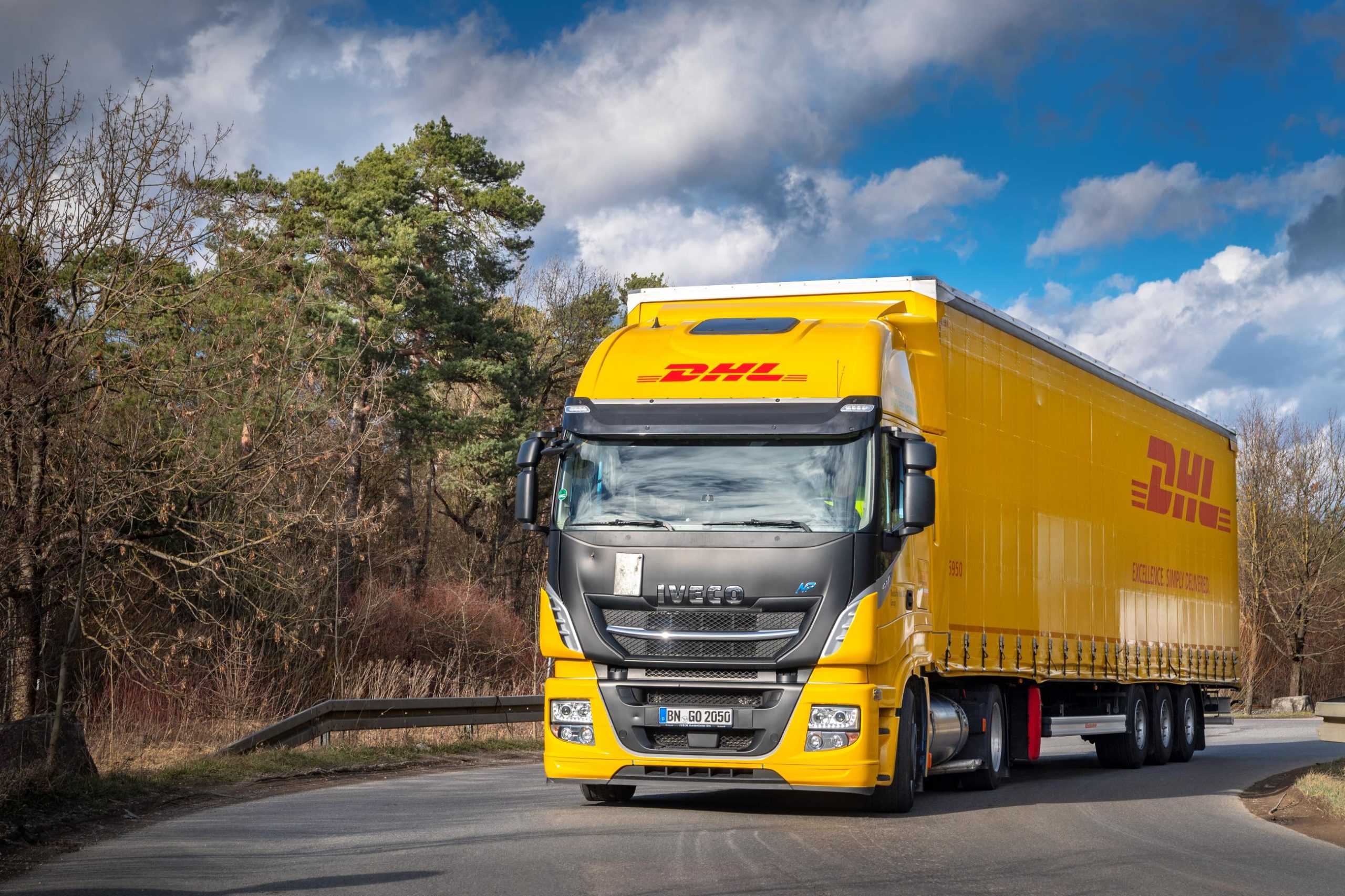
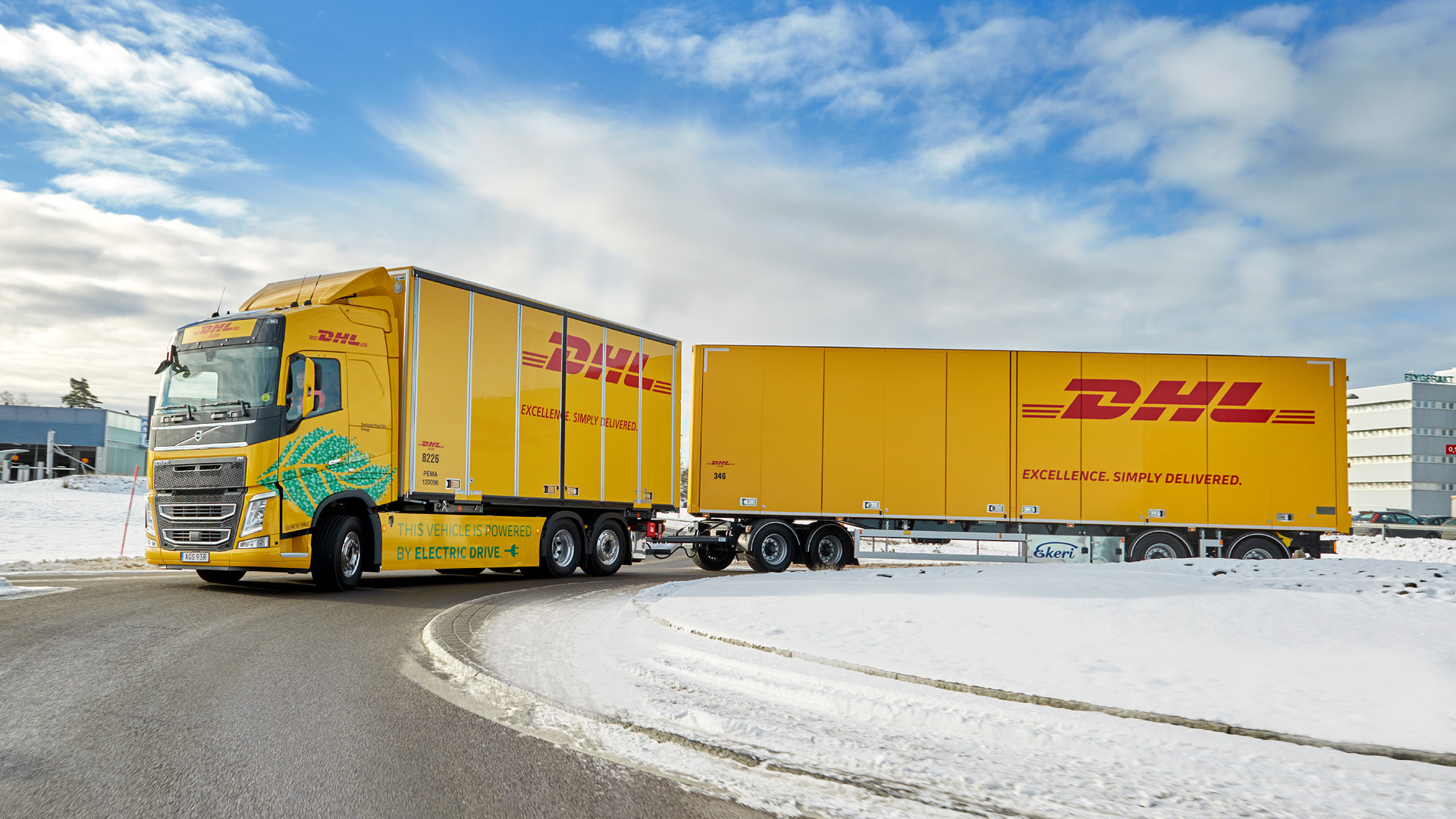
Unlike warehouse, sea, and air freight activities, road freight is only marginally affected by the PPWR. Road Freight providers typically do not put their own packaging on the market and seldom qualify as importers under the terms of the regulations.
In practice, the most common scenario involves the return of single-use pallets. When customers do not want to keep them at the delivery location and hand them over to our drivers instead, the pallets enter the national waste stream via DHL Freight. Depending on national regulations, at that point we are classified as a “producer under EPR” and are required to report.
Currently, there are no additional requirements for standard road freight scenarios (i.e., transporting shipments in the shipper’s packaging).
Reduce your reporting workload
If DHL Freight provides or uses packaging for your shipments, we handle most of the PPWR obligations related to that part of the packaging, from the declaration of conformity to the required documentation. This means less reporting work for you.

What Do We Recommend to Our Customers?
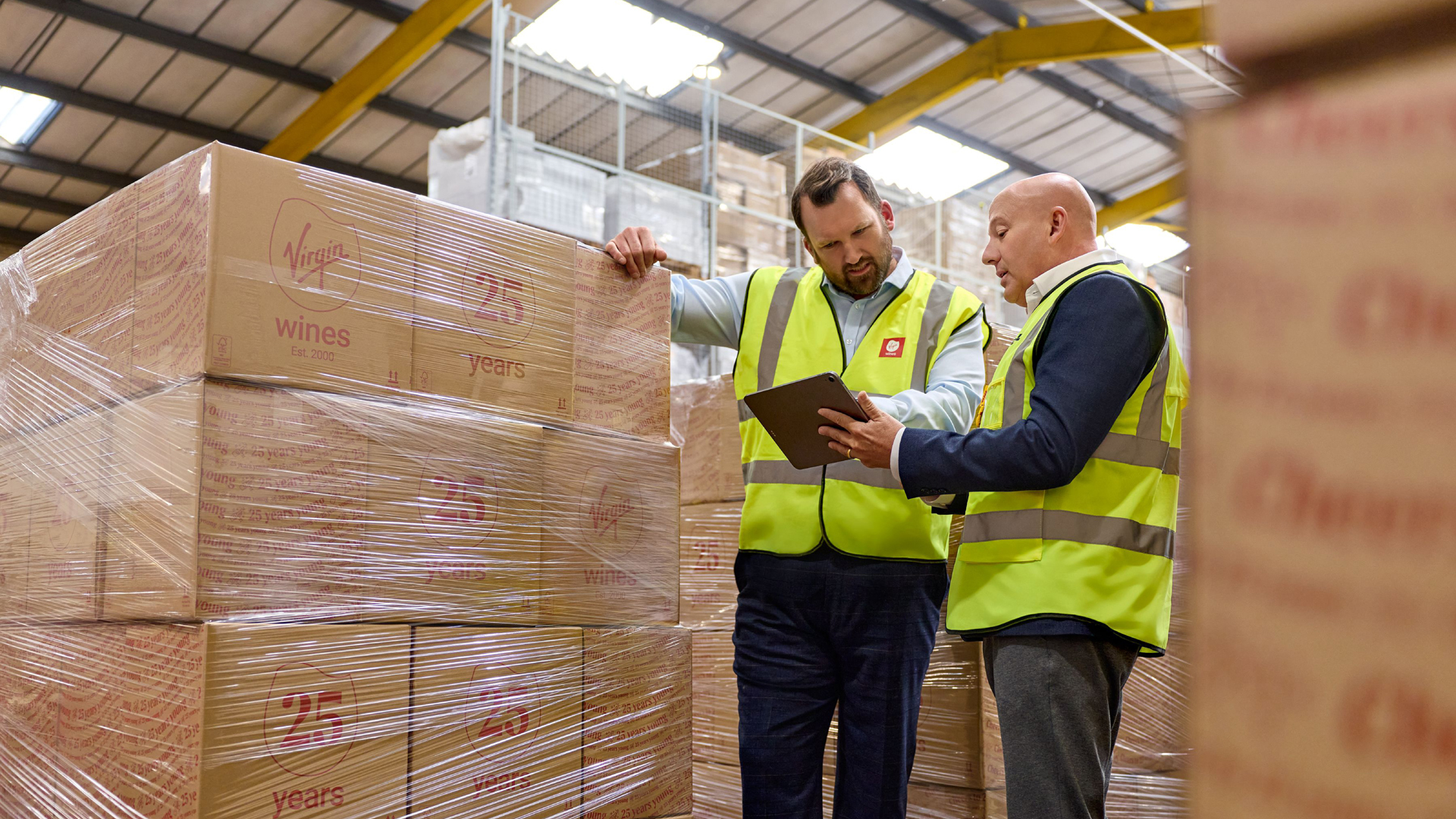
Shippers and logistics managers alike can benefit from taking an early look at their packaging practices – regardless of whether their logistics partners handle part of the packaging process. Here are three recommendations:
- Take stock of your packaging: What types of packaging and materials do you use for your shipments, and in what quantities? This inventory forms the basis for any future reporting requirements.
- Request for documentation: Contact your packaging suppliers early on regarding declarations of conformity and technical documentation. If you wait until the last minute, you’ll find yourself under time pressure by August 2026.
- Check on EPR Membership: Determine which markets require you to be a member of a producer responsibility organization.
If you purchase packaging materials through DHL’s corporate procurement contracts, then you have already taken care of these steps for the respective portion.
A Moving Target – That’s Why We Keep You Informed
Despite being adopted as a regulation, many details of the PPWR’s national implementation, particularly reporting deadlines, thresholds, and specific registration procedures, are still being worked out. Moreover, national approaches will vary within the EU.
At DHL Freight, we monitor developments in all relevant markets and will provide regular updates on status changes, new requirements, and specific recommendations for action in the coming months. Our ambition is for you to be able to assess early on what the PPWR means for your supply chain, rather than having to wait until just before the deadline to hear from us.
Until then, rest assured: if you rely on our supply chains, you are in good hands. Contact us, and we will guide you through the transition and keep you informed.