Diesel prices comment by Eugen Weinberg, Head of Commodity Analysis at Commerzbank
Eugen Weinberg [Photo: Commerzbank]
The diesel scandal recently caused heated debates in the media. Despite this, the medium-term effects of these ongoing events should not be exaggerated. The demand for diesel is currently quite positive, also due to the good economic situation and the subsequently increased trade activity in Europe. Regardless of that, the demand for diesel and heating oil will be on the rise anyway in the second half of the year on seasonal grounds. Because of that, the diesel price should remain stable despite our expected drop in the price of Brent oil. Oil prices are also bolstered by the damage to refineries on the US Gulf Coast by Hurricane Harvey. The medium-term consequences of the hurricane are still difficult to estimate. However, the clearing operations should take several weeks, if not months.
Current development of prices
The Brent oil price has stabilized at around 50 USD a barrel. The weak US dollar, the continuation of the OPEC’s production discipline, and increasing investor interest were decisive factors for the price increase. This, coupled with a stronger physical demand in the second half of the year is likely to keep the oil price from a downturn. However, the upward potential is also limited, mainly due to the rise in US oil production. The speculative overhang in Brent oil, however, seems very high, which is why prices are prone to profit taking. Commerzbank’s commodity analysis considers the OPEC strategy of volume control to be successful in the short term, but rather counterproductive in the long term. Non-OPEC production is growing faster and filling the OPEC supply gap. Therefore, the production discipline within OPEC is expected to continue to decline, which in turn will shake the confidence in OPEC and put even more pressure on oil prices.
Shall we explore this topic in more depth?
Curious? Our authors will be happy to help you. Just send us a short message—and we'll dive deeper together.
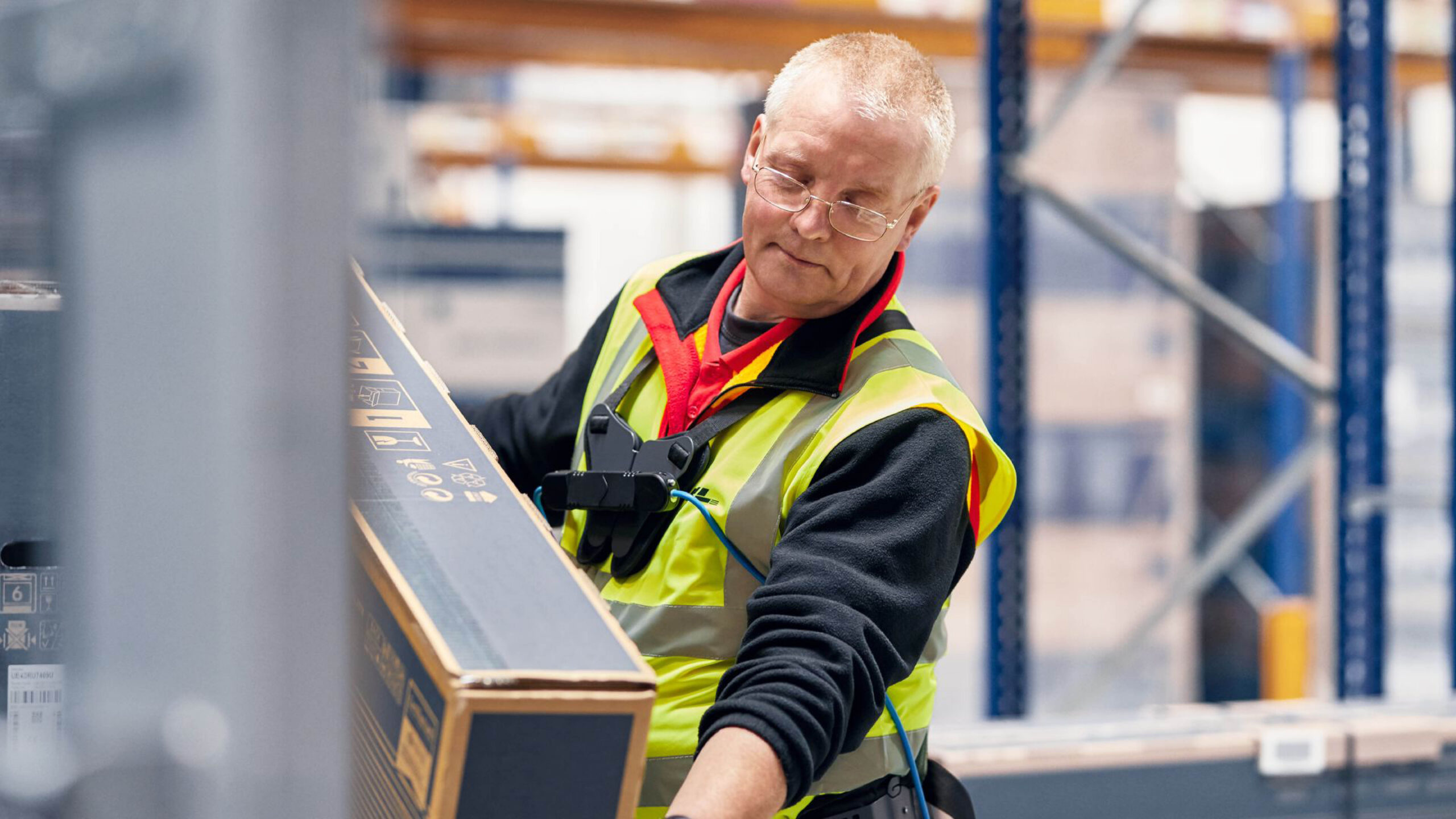
Working in logistics often involves repeated carrying and lifting. Such strenuous activities can lead to musculoskeletal problems, particularly back and ...