Regulation (EU) 2025/40, also known as the Packaging and Packaging Waste Regulation (PPWR), establishes a new EU-wide legal framework for ...
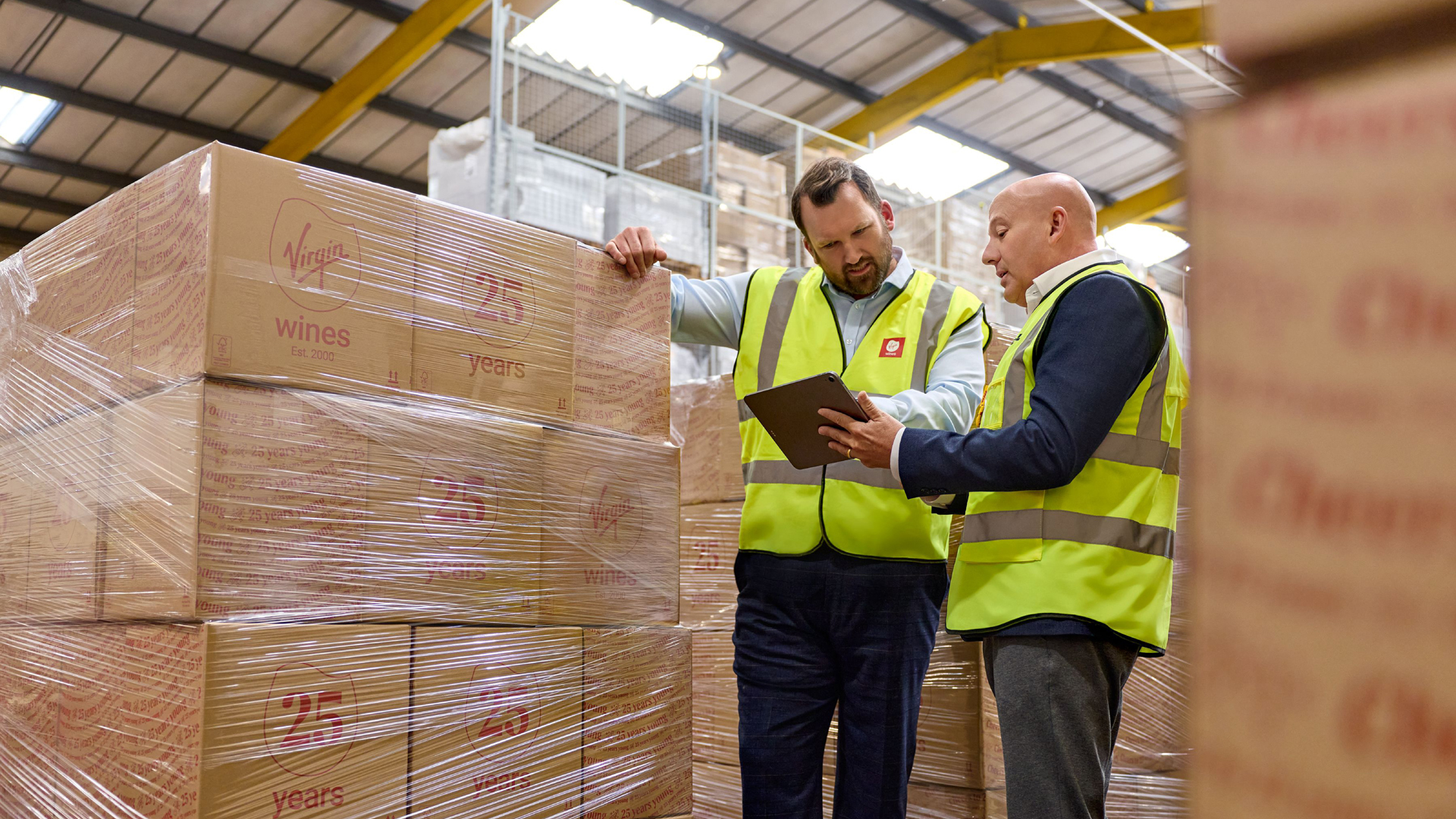

A logistics chain comprises both the physical flow of goods and the associated flow of information. Basically, the logistics chain is the entire logistical, information and production processes of the individual stages of the value chain, in which several participants are usually involved.
Nowadays, hardly anyone produces all the goods required for his consumption. Rather, the modern economy is characterised by a multi-stage process based on the division of labour, which takes place in several independent units. This process-oriented thinking in chains is also reflected in logistics.
To ensure an efficient flow of goods and information, the individual elements of the logistics chain must be aligned with each other in such a way that they are logically connected. The logistics chain can thus be defined as a logistics network that extends between manufacturers, suppliers, logistics service providers and end users. For a logistics chain to function smoothly, close cooperation between customers, suppliers and companies is essential.
Regulation (EU) 2025/40, also known as the Packaging and Packaging Waste Regulation (PPWR), establishes a new EU-wide legal framework for ...
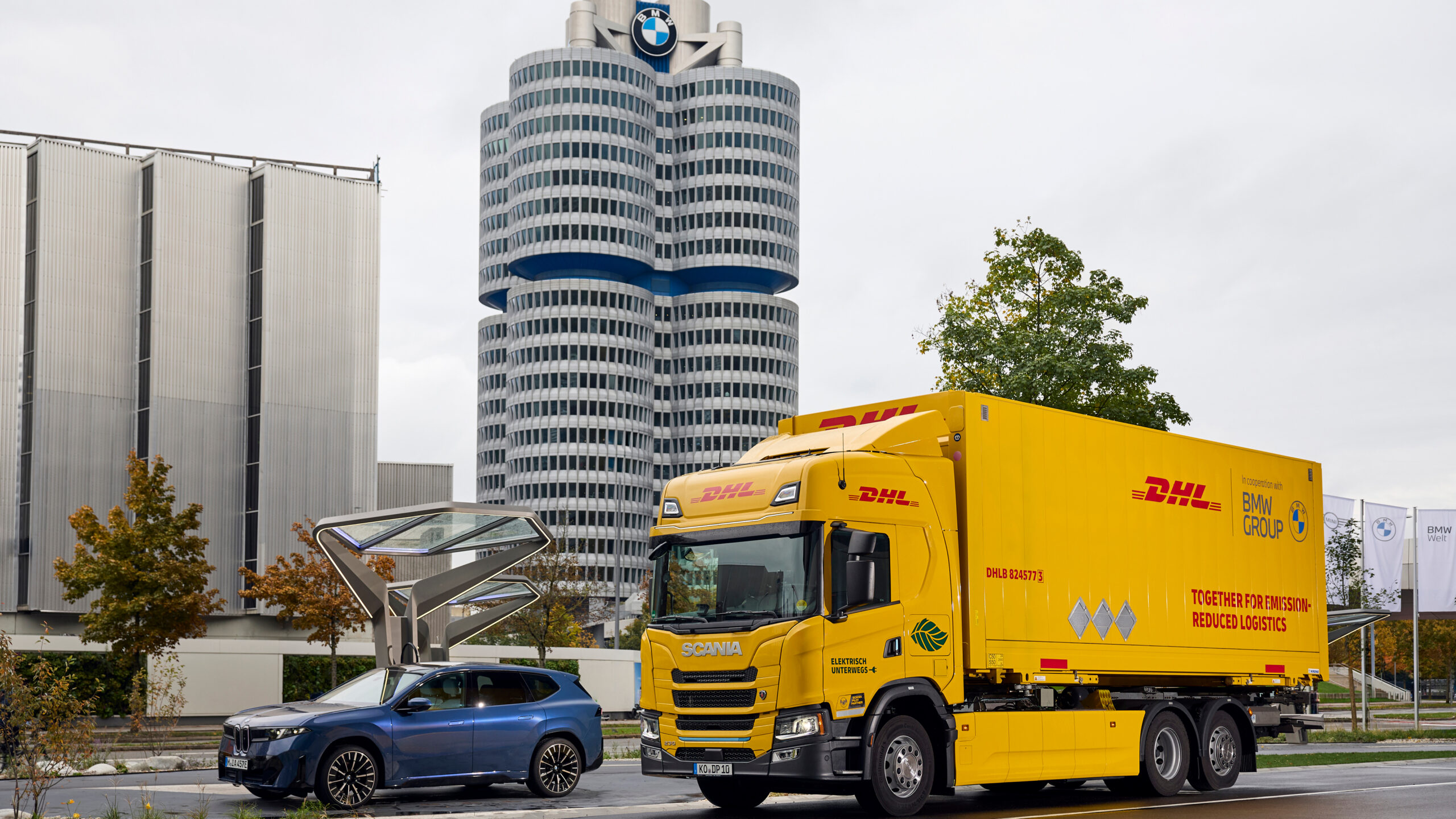
Together with BMW Group, DHL Freight has been testing an electric truck with range extender technology in real-world conditions for ...
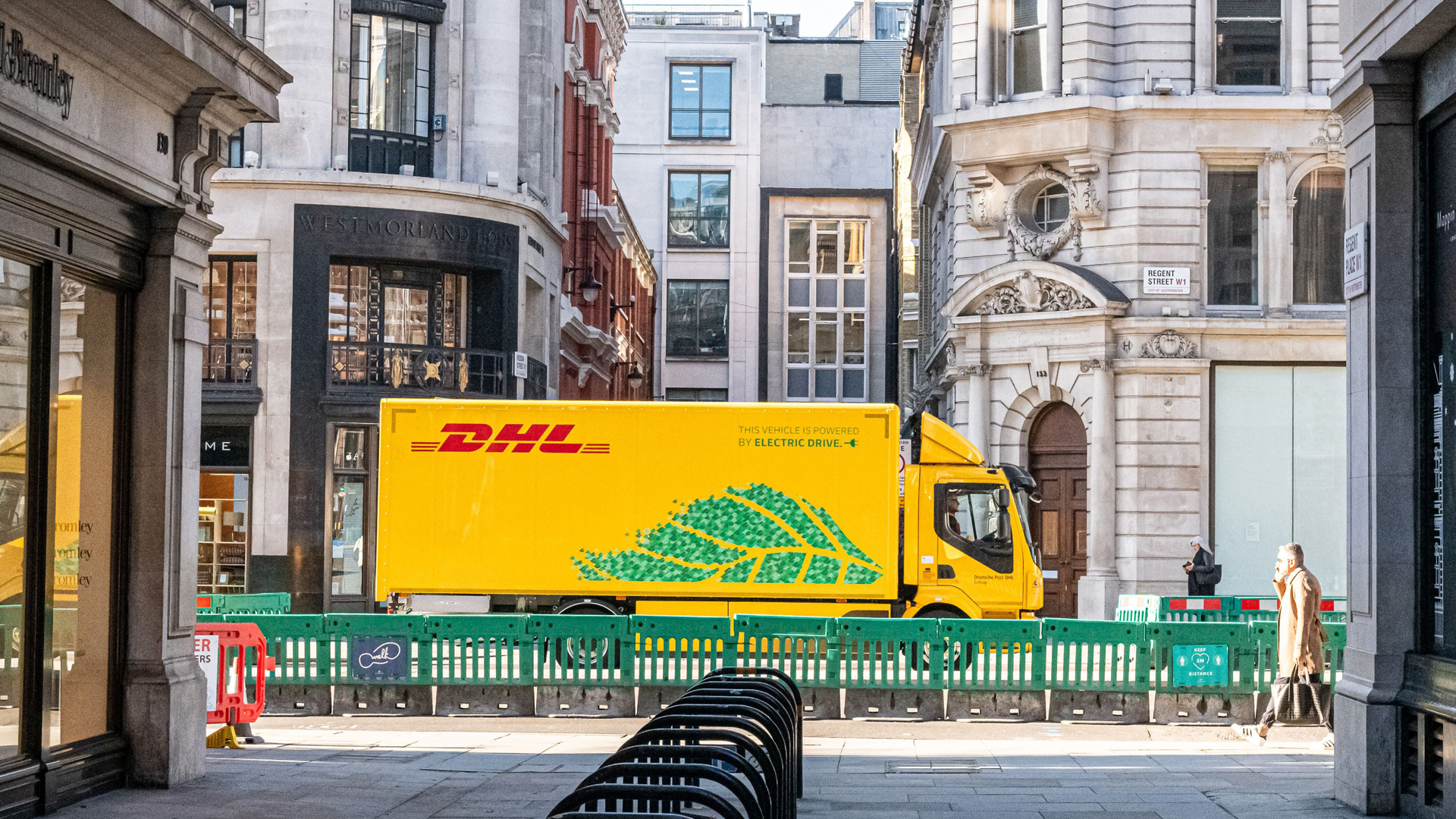
DHL Freight is adding to its existing service for low-emission transport with GoGreen Plus Flex. This will include three options ...