The third quarter of 2026 saw the peak season reach its height, while schedule adherence fell to its lowest level ...
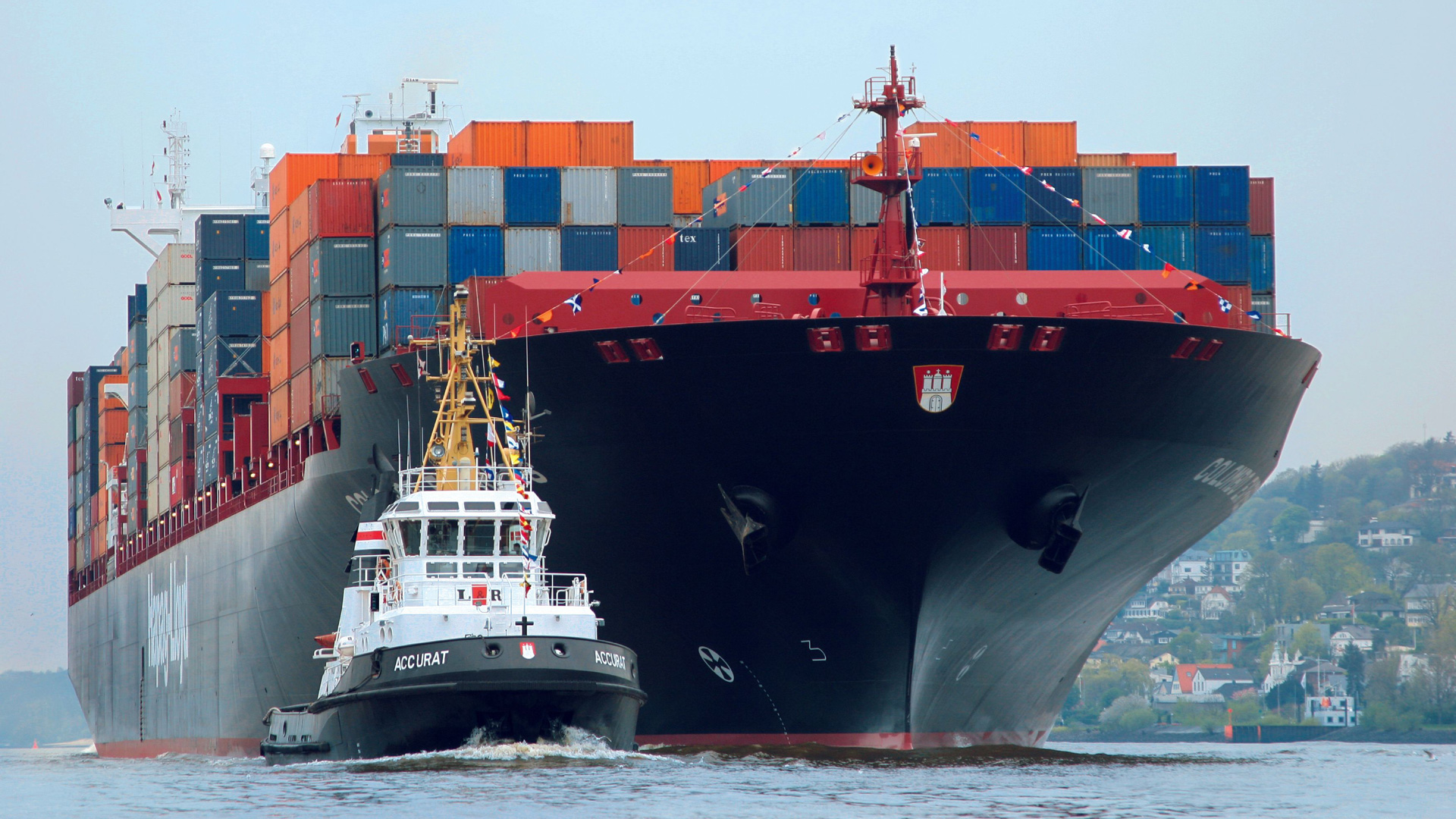

Readiness to deliver describes the ability of a supplier to deliver ordered or requested products immediately from existing stocks within the delivery time specified by the supplier. It is used to control stock levels and provides information about a company's stock policy.
As an indicator, the readiness to deliver describes the average delivery capacity of a supplier. It can be measured by the degree of readiness to deliver. If the warehouse is not immediately ready for delivery despite existing demand, the degree of readiness to deliver is less than 100 percent. A too low degree of readiness to deliver leads to shortage costs. On the other hand, too high a degree of readiness to deliver causes high capital commitment and storage costs. In practice, it is therefore important to find a middle way.
The third quarter of 2026 saw the peak season reach its height, while schedule adherence fell to its lowest level ...
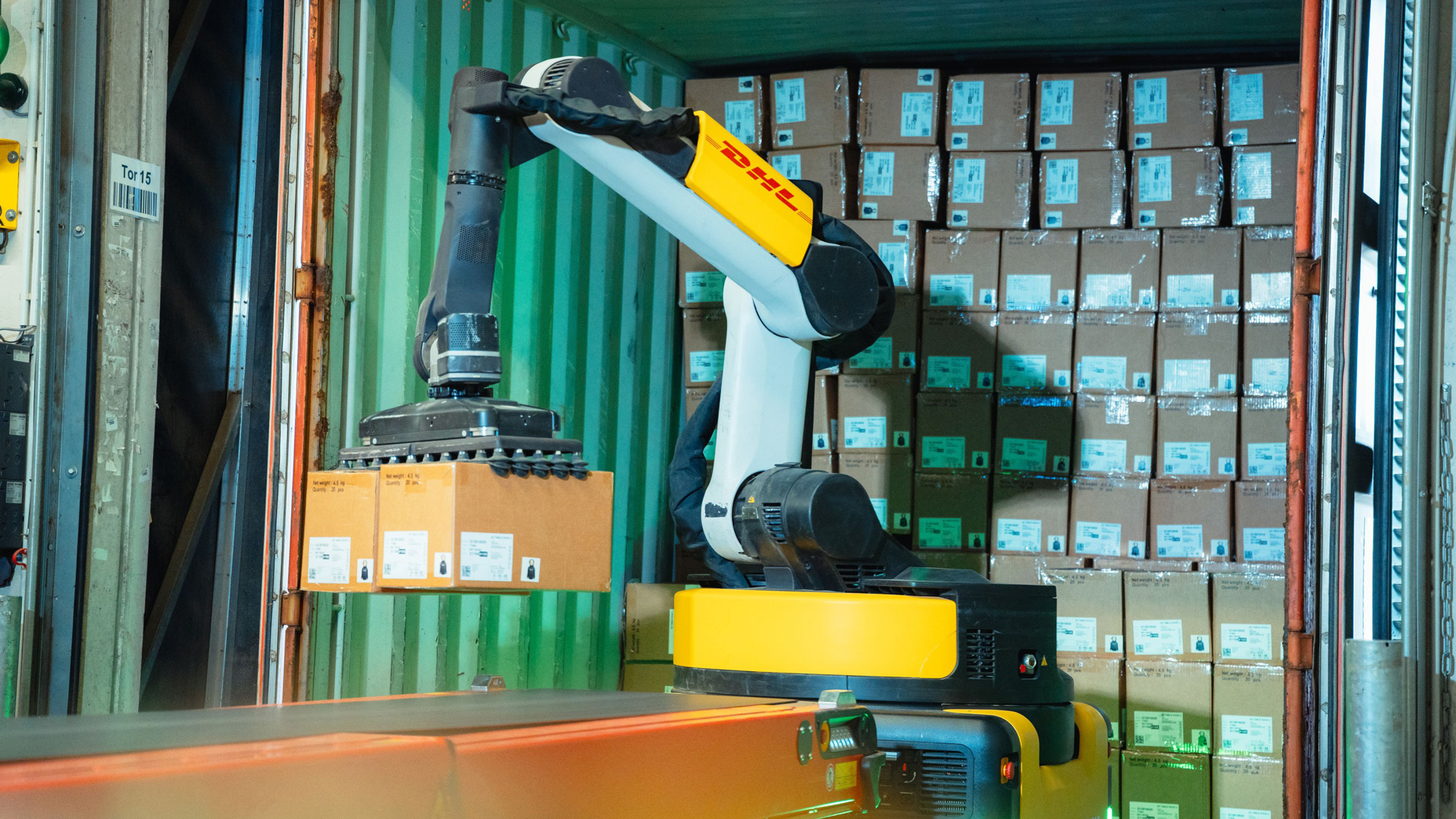
Artificial intelligence has long since moved beyond merely analysing data – now it plans, coordinates, and increasingly makes decisions independently. ...

Legal uncertainty is one of the most common reasons why companies are hesitant to adopt artificial intelligence. In Germany, for ...